
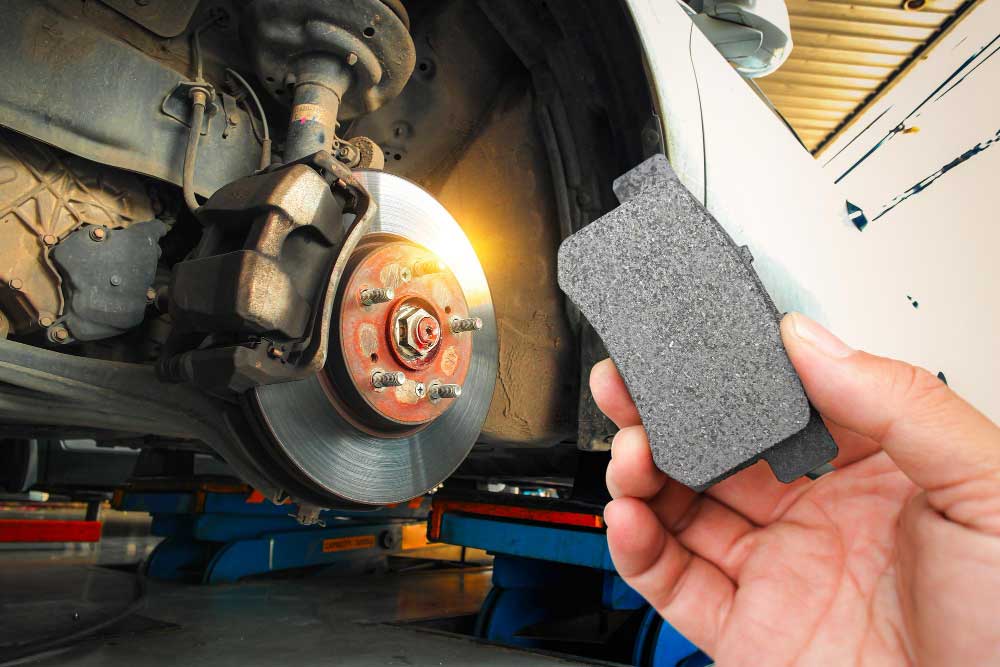
What to Check Before Replacing Toyota Brake Pads in Melbourne
Replacing worn brake pads may sound like a straightforward job, but the pads are only one part of the braking system. Noise, vibration or a change in braking feel can involve the pads, rotors, callipers or another component, so replacing parts before identifying the actual problem can leave the original issue unresolved.
Before new Toyota brake pads are fitted, it makes sense to inspect the condition of the surrounding brake components, confirm the correct fitment for the vehicle and look for signs of uneven wear. That is particularly important where the brakes have already developed grinding, vibration, pulling or another noticeable change in behaviour.
Brake pads do not work on their own
Brake pads create friction against the brake rotors when the vehicle slows down. That means the condition of one component can affect the other.
If the pads are worn but the rotor surface is still suitable, the repair may remain relatively straightforward. If the pads have worn excessively, the rotor has developed damage or another brake component is not operating correctly, replacing only the pads may not address the complete problem.
A proper brake inspection should therefore look beyond the friction material. Depending on the symptoms and vehicle, this may include the rotors, callipers, hydraulic components, brake fluid and other parts of the system.
You can view BIP’s range of brake system parts to suit Toyota models when a brake inspection identifies components that need replacement.
Do not diagnose the problem from noise alone
Squealing, scraping or grinding can be a reason to have the brakes inspected, but sound alone does not confirm exactly which part needs replacing.
A noise may relate to worn brake pads, contamination, rotor condition or another issue within the braking system. Likewise, vibration during braking should not automatically be blamed on the pads.
This distinction matters because ordering parts based only on one symptom can result in replacing a component that was not responsible for the problem.
If you are trying to determine whether the pads themselves may be approaching replacement, BIP’s article on signs that Toyota brake pads may need replacing covers wear symptoms and inspection timing in more detail.
Check the rotor condition at the same time
Brake pads and rotors work against each other every time the vehicle slows down, so rotor condition should be considered during a pad replacement.
A technician can inspect the braking surface for abnormal wear, scoring, heat-related damage or other issues and determine whether the rotor remains suitable for service. The correct decision depends on its actual condition and specification rather than appearance alone.
This is particularly important where worn pads have been left for too long or the vehicle has developed vibration during braking.
Installing replacement pads without investigating an obvious rotor problem can mean the braking system still does not operate as expected after the repair.
Uneven brake-pad wear can point to another problem
Brake pads should not be assessed only by asking how much friction material remains. The wear pattern can also provide useful information.
If one pad is significantly more worn than another, or one side of the vehicle appears to be wearing differently, the cause deserves investigation before replacement parts are fitted.
Uneven wear may indicate that another component is not moving or operating as intended. The calliper and related hardware are among the areas that may need to be inspected.
The aim is not simply to install a fresh set of pads over an existing fault. It is to understand why the previous components wore the way they did.
Callipers deserve attention when wear looks unusual
The brake calliper applies the force that brings the pads into contact with the rotor. Problems in this area can therefore affect both braking behaviour and pad wear.
During a brake inspection, a technician can assess whether the relevant components are operating correctly and whether anything is sticking, damaged or showing abnormal wear.
This matters because fitting new pads without addressing a calliper-related problem can cause the replacement set to wear incorrectly as well.
Because braking is a safety-critical system, calliper faults and other mechanical brake problems should be properly diagnosed and repaired rather than treated as a trial-and-error parts replacement exercise.
Brake fluid and hydraulic components are part of the same system
Brake pads are the most visible wear item, but braking also relies on a hydraulic system to transfer pressure from the pedal to the brakes.
A change in pedal feel, unexplained fluid loss or another hydraulic symptom needs investigation independently of how much pad material remains.
Components such as the master cylinder, brake booster, lines and hoses perform different jobs from the pads, yet they contribute to the same braking process. A pad replacement should not be expected to solve a hydraulic fault.
If an inspection identifies another part of the system as the problem, you can check available Toyota brake components beyond the brake pads before planning the complete repair.
Correct Toyota brake pads depend on the exact vehicle
Buying brake pads should involve more than simply asking for a set for a Toyota Corolla, Hilux, RAV4 or HiAce.
Toyota has produced different generations and variants of these models, and braking components can vary with the vehicle specification. The safest approach is to identify the vehicle accurately before ordering anything.
Useful information can include:
- VIN
- Build year
- Exact Toyota model and series
- Vehicle variant where known
- Existing part number where available
- Front or rear brake position
- Relevant photographs or component markings
Providing these details reduces the risk of ordering a component that appears correct online but does not match the braking system fitted to the vehicle.
Not every braking symptom means the pads need replacing
This is one of the most important distinctions to make before buying parts.
A change in braking performance can involve friction components, hydraulic parts, rotors, callipers or another area of the system. The symptom tells you that something needs attention; it does not necessarily identify the failed part.
For example, vibration while braking may justify inspecting the rotors and related components rather than immediately ordering pads. An unusual pedal feel can point towards a different area again.
Diagnosis first is especially important with brakes because replacing the wrong component wastes money while potentially leaving the actual safety issue unresolved.
Consider the complete brake repair rather than the price of one part
It is easy to compare brake-pad prices and treat the lowest number as the cheapest repair. That does not necessarily reflect the complete job.
Consider the condition of the rotors, whether another component needs attention, labour involved in the repair and whether the parts being fitted are correct for the vehicle.
A slightly more expensive repair that properly addresses the cause of the problem can make more sense than repeatedly replacing individual components without resolving the underlying fault.
Braking components should also be treated differently from cosmetic vehicle parts. Fitment, condition and safe operation take priority over finding the cheapest available option.
Have the complete braking system checked before parts are ordered
If your Toyota needs brake pads, start with an inspection rather than assuming the pads are the only component requiring attention. Check the rotor condition, look for unusual or uneven wear, assess the callipers and consider any hydraulic symptoms before deciding what the repair actually requires.
Once the problem has been identified, confirm the Toyota model, build details and correct brake specification before ordering replacement components.
This approach helps avoid unnecessary parts replacement and gives the repair a much clearer starting point: identify the fault, check the related components and then fit the parts the vehicle actually needs.
If you have your Toyota details or know which brake components you require, get your free quote from local experts.













Leave A Comment