
Do Front and Rear Toyota Brake Pads Need Replacing Together?
A quote for replacement Toyota brake pads in Melbourne may cover the front brakes, rear brakes or both. Before comparing prices, clarify which wheels are being serviced and why. Replacing pads as a set does not automatically mean replacing the pads at all four wheels.
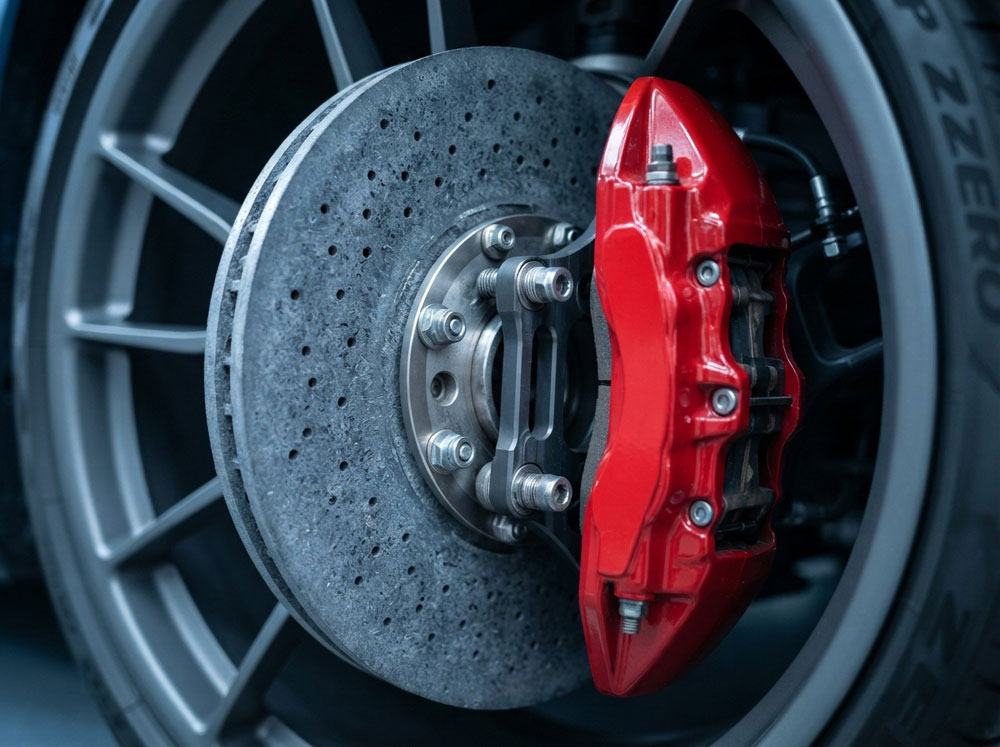
Front and rear brake pads do not necessarily need replacing at the same time. If an inspection confirms that one axle needs new pads and the other remains serviceable, the repair may be limited to the affected axle. However, the pads on both wheels of that axle should be replaced together with the correct new set, rather than changing only the most worn pad.
What does an axle set include?
In a brake-parts description, the front axle refers to the two front wheels and the rear axle refers to the two rear wheels. A front axle pad set covers both front brakes. It does not include rear pads unless the product description specifically states that both sets are supplied.
Many disc brakes have an inner and outer pad at each wheel, which can make the word “pair” confusing. Confirm that the quote includes all pads required for both brakes on the affected axle, not simply two individual pads.
Ask which fitting hardware is included as well. Clips, shims and wear sensors may be supplied with a particular set or listed separately, depending on the application.
Front and rear pads can wear at different rates
The front and rear brakes do not necessarily perform equal amounts of work. During braking, weight transfers towards the front of the vehicle, and conventional braking systems generally place greater demand on the front brakes.
This can make front pads wear sooner, but it should not be treated as a replacement schedule. An inspection still needs to establish the condition of the brakes at both ends of the vehicle.
Replacing the front pads does not automatically mean the rear pads also need changing. Equally, having recently replaced the front pads does not confirm that the rear brakes remain in good condition. Each axle needs its own assessment.
One badly worn pad can indicate another fault
Different wear rates between the front and rear brakes are not the same as unusually heavy wear on one pad or one side of an axle.
If one pad is much more worn than the others, the workshop should investigate before fitting the replacement set. Sticking calliper guide pins or a sticking piston can cause uneven or accelerated wear.
Replacing only the visibly worn pad would leave an uneven set and potentially the original fault unresolved. The repair should address the cause and then replace the affected axle’s pads correctly.
Replacement brake pads should be new
Brake pads are consumable friction components. They should not be selected from a donor vehicle simply because some friction material remains. Use the correct new axle set rather than second-hand pads, leftover individual pads or a mixture assembled from different sets.
This distinction also matters when a used calliper arrives with pads still attached. Their presence does not make them a suitable replacement set for your Toyota. Ask the repairer to assess the assembly and fit the required new friction components according to the applicable instructions.
Check whether the rear brakes use pads or shoes
Not every rear brake repair involves disc-brake pads. If your Toyota has rear drum brakes, the friction components inside those drums are brake shoes.
A front pad set and a rear shoe set are different products for different brake arrangements. Have the workshop identify what is fitted before requesting parts.
A recommendation for front pads and rear shoes may therefore be entirely appropriate for the vehicle. The important point is to compare quotes for the actual braking system, not assume every Toyota uses disc brakes at all four wheels.
Ask for the inspection findings behind the quote
A useful brake quote explains why the work is needed rather than simply listing a front-and-rear package.
Ask the workshop:
- What are the pad measurements and condition findings at the front and rear?
- Is replacement required because of wear, damage, contamination or another identified problem?
- Does the price include the complete axle set, required hardware, labour and any related repairs?
Do not rely on one online thickness figure for every Toyota. The technician should compare the inspection findings with the specifications and service requirements for the vehicle and components.
If both axles need attention, completing the work together may be practical. If only one requires replacement, ask when the other should be checked again. Do not delay necessary brake work simply to make the front and rear pads follow the same replacement date.
Match the front and rear applications separately
A front pad set should not be assumed to fit the rear brakes. Pad shape, dimensions and application can differ, even on the same vehicle.
Provide the VIN, build details and the axle being repaired. Include the part number supplied by the workshop where available, and mention any changes to the original braking equipment.
BIP’s brake system range covers pads and related components, including callipers, rotors and hydraulic parts. You can check BIP’s Toyota brake system replacement parts and confirm availability for the identified application before ordering.
Base the repair on condition rather than replacement dates
The key distinction is between replacing pads across one axle and replacing the front and rear sets together. Pads should be replaced as a complete set across the affected axle; whether both axles need new pads depends on the inspection findings.
Have a qualified technician complete the work using the applicable Toyota and component-manufacturer procedures. Before collecting the vehicle, ask what operational checks were completed and whether the fitted pads have specific bedding-in instructions.
If braking feels unsafe or stopping performance has deteriorated significantly, avoid driving and arrange professional assistance rather than waiting for a parts delivery.
With your VIN and workshop’s parts list ready, enquire about brake parts so our team can check the components you need.













Leave A Comment