Finding the right place to buy parts for your Toyota isn’t just about price. It’s about reliability, compatibility, and knowing the part you’re fitting won’t cause problems down the track. Whether you drive a Hilux, Corolla, RAV4, or HiAce, choosing the right supplier makes a real difference to performance and long-term durability.
Not all parts shops are the same. Some focus on quick sales. Others focus on proper fitment, inspection, and guidance. If you want your vehicle to run properly and avoid repeat repairs, it pays to choose carefully.
1. Look for Model-Specific Knowledge
Toyota has produced multiple generations of each model, often with different engine types, transmissions, and driveline setups. A good parts supplier should ask for details like:
-
Model and year
-
Engine type
-
VIN (if available)
-
Manual or automatic configuration
If a shop doesn’t ask questions, that’s usually not a great sign. The right supplier ensures compatibility before anything leaves the shelf.
2. Check the Range of Parts Available
A reliable Toyota parts shop in Melbourne should carry more than just basic service items. Look for suppliers that stock:
-
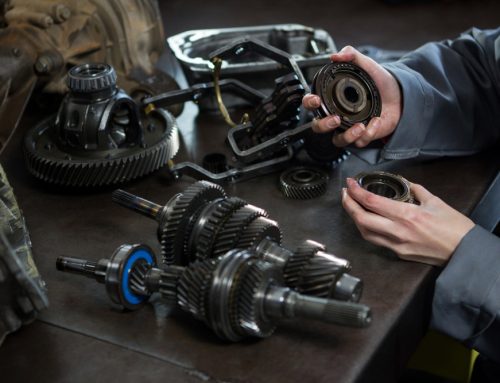
Engine and transmission components
-
Brake systems and suspension parts
-
Electrical and ignition systems
-
Cooling system components
-
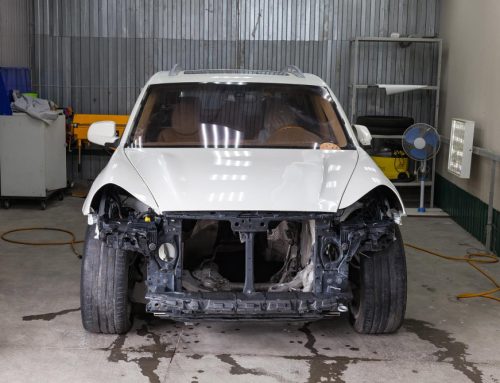
Body panels, lights, and mirrors
-
Driveline and differential parts
A broad range under one roof saves time and avoids the hassle of sourcing parts from multiple locations.
3. Compare Genuine vs Aftermarket Options
Every driver has different priorities. Some prefer genuine OEM parts for factory-level assurance. Others want high-quality aftermarket components that offer strong performance at a more accessible price point.
A reputable supplier should clearly explain the difference between genuine and aftermarket options, including durability expectations and warranty coverage. Transparency matters more than simply pushing the most expensive option.
4. Ask About Inspection and Testing
Especially when buying used or reconditioned parts, inspection standards are critical. Quality suppliers test components for performance and structural integrity before selling them.
Whether it’s a gearbox, driveshaft, or brake assembly, the part should be checked for wear, damage, and correct fitment. This reduces the risk of premature failure and unnecessary labour costs.
5. Consider Support and Delivery
Convenience also plays a role. Fast local delivery, trade support for workshops, and clear return policies all make the buying process smoother. If you’re running a workshop or managing a fleet, reliable turnaround times are essential.
Good customer service is often the difference between a one-time purchase and a long-term supplier relationship.
Choosing the Right Toyota Parts Supplier
Maintaining your Toyota properly starts with sourcing dependable components. The right parts shop won’t just sell you a product — they’ll help you confirm compatibility, explain your options, and ensure you leave with the correct solution.
BIP Auto Spares supplies a wide range of Toyota parts, including genuine, used, and aftermarket options. Whether you’re a mechanic, workshop, or individual owner, our team can help you find the correct part quickly and confidently.











Leave A Comment