
Which Toyota Engine Parts Can Be Replaced Before a Complete Engine Is Needed?
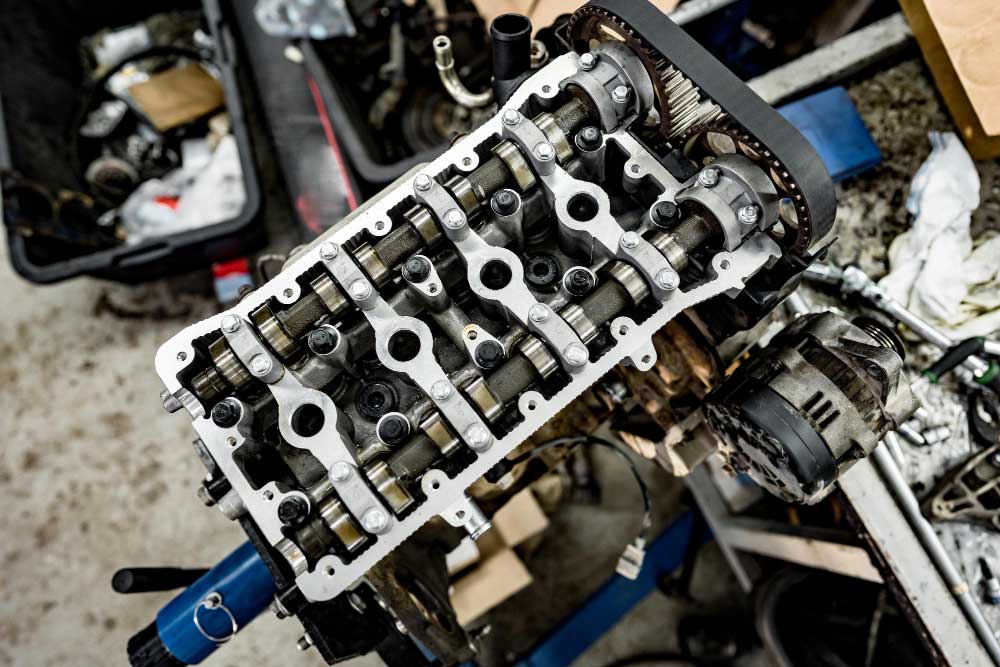
An engine warning light, overheating problem, oil leak or sudden loss of power can make a complete engine replacement feel inevitable. In many cases, however, the fault may involve an individual component or supporting system rather than the entire engine assembly.
Parts associated with starting, charging, cooling, ignition, sealing and other engine functions can often be diagnosed and repaired separately. The important step is finding the actual cause before buying anything. A complete engine becomes a more realistic option when there is extensive internal damage, severe wear or a repair estimate that no longer makes financial sense compared with replacement.
Start by finding out whether the engine itself is damaged
Engine-related symptoms can be misleading because several different components can produce similar behaviour.
A Toyota that is difficult to start does not automatically need another engine. Neither does one that overheats, loses power, develops a warning light or starts making an unfamiliar noise.
The first question should be: what has actually failed?
Diagnosis may show that the fault sits outside the engine’s main internal assembly. In other situations, further inspection may reveal more serious internal damage. That distinction should be made before replacement parts are ordered.
This is especially important with larger repairs because the cost is not limited to the component itself. Removal, installation, fluids, seals and workshop labour can make an incorrect diagnosis considerably more expensive.
Starting and charging components can fail independently of the engine
A vehicle that will not start properly can make the engine itself look suspicious when the fault may be somewhere else in the starting or electrical system.
Alternators and other electrical components operate alongside the engine but are separate replaceable assemblies. A charging problem therefore needs to be diagnosed rather than treated as evidence that the complete engine has failed.
The same principle applies to starting problems. Battery condition, electrical connections and the relevant starting components should be assessed before a major mechanical conclusion is reached.
Once the failed component has been identified, you can check BIP’s range of used Toyota engine and drivetrain parts in Melbourne against the exact vehicle specification.
Cooling-system faults can look like engine failure
Overheating deserves prompt attention because excessive temperature can eventually damage the engine, but overheating itself does not tell you which component caused the problem.
The cooling system includes several parts working together to control engine temperature. A leak, radiator problem, hose issue or another cooling-system fault may need repair without requiring replacement of the complete engine.
The useful distinction is between the cause of the overheating and any damage that occurred because of it.
If the cooling problem is identified early and the engine has not suffered significant internal damage, the repair may remain limited to the faulty component. If the vehicle has been severely overheated, further inspection may be required to establish whether the cylinder head, gaskets or other internal areas have been affected.
Repeatedly topping up coolant without investigating the cause can allow a manageable fault to develop into a much more expensive repair.
Service and ignition components are designed to be replaced separately
An engine depends on numerous smaller components performing specific jobs. Problems with those components should not be confused with failure of the complete engine.
Depending on the Toyota and engine type, service and ignition-related items can include components such as:
- spark plugs
- air filters
- oil filters
- ignition-related components
- belts and associated service items
These parts can influence starting, combustion, performance and general engine operation, but they are individually serviceable components.
If a Toyota develops rough running, poor performance or another engine-related symptom, the correct approach is to identify the cause rather than treating every change in behaviour as evidence that the whole engine is worn out.
Oil leaks do not automatically mean the engine needs replacing
An oil leak can range from relatively straightforward to considerably more serious depending on where it originates and how long it has been present.
Gaskets and seals are used throughout an engine to contain oil, coolant, pressure and combustion-related forces. A leaking seal or gasket may be replaceable without changing the complete engine.
The location and extent of the leak matter.
A small external leak and a problem associated with internal engine damage are very different repairs, even though both may initially show up as fluid loss.
Any significant leak should therefore be diagnosed before deciding whether the repair involves an individual gasket, another component or more extensive engine work.
A head-gasket or cylinder-head problem is serious but does not always mean complete replacement
Some engine repairs sit between replacing a small component and replacing the entire engine.
Cylinder-head and head-gasket problems are examples. These repairs can involve substantial labour and should be properly assessed, particularly when overheating or loss of compression is involved.
The decision depends on what inspection reveals. If the damage is limited and the rest of the engine remains serviceable, repair may be possible without replacing the complete assembly. If severe overheating has caused extensive damage elsewhere, the economics of the repair can change considerably.
This is why simply seeing signs associated with a head-gasket problem should not automatically trigger an engine order. The extent of the damage needs to be established first.
Timing-related problems need diagnosis before the repair is chosen
Timing components are another area where the severity of the repair depends on what has happened.
A timing component that requires routine replacement or has been identified before causing additional damage is very different from a failure that has already affected internal engine components.
Where there is concern about timing-system condition, the engine should be professionally inspected. The objective is to determine whether the repair remains limited to replaceable components or whether consequential internal damage has occurred.
For engine work, diagnosis should always determine the parts list rather than the parts list being used to guess the diagnosis.
When does replacing the complete engine become more realistic?
A complete engine becomes a more realistic option when the damage is extensive enough that repairing individual components is no longer the practical route.
Factors that can influence that decision include:
- the extent of internal engine damage
- general engine wear and condition
- damage caused by severe overheating or lubrication problems
- the number of internal components requiring repair
- labour involved in rebuilding the existing engine
- availability and condition of a suitable replacement engine
- the age and value of the vehicle
- how long the owner intends to keep the Toyota
The decision should be based on the complete repair rather than one damaged component in isolation.
For an older Toyota with substantial internal engine damage, a correctly matched pre-owned engine may sometimes be more practical than rebuilding the existing unit. BIP’s engine range includes pre-owned engines for multiple Toyota models, with the business stating that its used engines are inspected and tested before sale.
You can view available Toyota engine-related replacement parts and complete engine options once the workshop has established what the repair actually requires.
Make sure the replacement matches the exact Toyota engine
Once the failed part has been identified, compatibility becomes the next priority.
Ordering simply by saying “Toyota engine part” or even providing the vehicle model may not be enough. Toyota models can be produced across different generations with different engines, transmissions and specifications.
Have the following details ready where applicable:
- VIN
- build year
- exact model and series
- engine type or engine code
- transmission type
- existing part number
- photos of the original component
- photos of electrical connectors or mounting points
Engine codes become especially useful when the same Toyota model has been offered with several engine options.
If you are using a second-hand replacement component, BIP’s guide to checking used Toyota parts before fitting them covers part numbers, mounting points, connectors and pre-installation checks in more detail.
Keep the original component until the new part is confirmed
If the failed part has already been removed, keep it available until its replacement has been properly identified.
The original component can provide useful information that may be difficult to recover later. Photograph:
- part numbers
- identification labels
- mounting points
- electrical connectors
- hose connections
- brackets
- overall dimensions
Where practical, compare the original and replacement parts side by side before installation.
This is particularly worthwhile for components involving significant workshop labour. Finding a different connector or mounting point before fitting is inconvenient; finding it after several hours of labour is considerably worse.
Consider the complete cost of the engine repair
The lowest-priced component does not necessarily produce the lowest-cost repair.
Consider the replacement part together with labour, fluids, seals, related components and vehicle downtime. If access to another worn component becomes easy while an engine-related repair is already underway, it may also be sensible for the workshop to inspect it at the same time.
That does not mean replacing parts that are still serviceable. It means understanding the complete job before the vehicle is reassembled.
The more labour-intensive the repair, the more important correct diagnosis, fitment and component condition become.
Diagnose the problem before deciding how much of the engine to replace
An engine-related fault exists on a spectrum. At one end, the problem may involve an individual service, electrical, cooling or sealing component. In the middle are larger repairs that require substantial engine work but may still leave the main assembly serviceable. At the other end, extensive internal damage can make complete engine replacement the more practical option.
The vehicle’s symptoms alone cannot tell you where on that spectrum the repair sits.
Start with proper diagnosis. Once the fault has been identified, collect the VIN, engine code and original part details before sourcing anything. Then compare the cost and complexity of repairing the existing engine with any replacement options available.
If you already know which engine component you need or have your VIN and engine details ready, send us an enquiry.













Leave A Comment