How to Find Reliable Toyota Wreckers in Melbourne
Finding a reliable Toyota wrecker should be simple, but the auto parts world has a charming habit of making simple things feel like detective work. One listing says “cheap parts”. Another says “all models”. Another has one blurry photo and enough mystery to qualify as a crime scene. If you need to sell an unwanted Toyota or source a used Toyota part, it is worth choosing carefully.
A good wrecker should help you understand what your vehicle is worth, what parts may still be usable, and whether a second-hand part is suitable for your model. For drivers who are looking for Toyota wreckers in Melbourne, the goal is usually not just to find the nearest yard. It is to find a team that knows Toyota vehicles, checks parts properly, and gives clear advice before money changes hands.
Know whether you are selling a car or buying a part
Before contacting a wrecker, it helps to know what outcome you need. If you have an old, damaged, written-off, unregistered, or non-running Toyota, you may want to sell the vehicle and free up space. If your car is being repaired, you may be looking for a used Toyota part that fits correctly and costs less than a brand-new replacement.
These are different conversations. When selling, the wrecker will usually need details such as the model, year, condition, mileage, registration status, and whether major parts are missing. When buying parts, they may need the VIN, photos, part numbers, engine type, body shape, and build year. Annoying? Slightly. Useful? Very. Car compatibility is where guessing goes to become expensive.
Why Toyota model knowledge matters
Toyota has a strong reputation for reliability, but that does not mean every Toyota part fits every Toyota vehicle. A Corolla, Camry, Hilux, HiAce, RAV4, Prado, Kluger, or LandCruiser can vary depending on the year, series, engine, transmission, trim level, drivetrain, and body style.
This matters when sourcing used parts. A mirror may look the same but have different wiring. A headlight may use different mounting points. A gearbox, differential, starter motor, alternator, suspension component, or electronic module may suit only specific variants. A Toyota-focused wrecker can help reduce the risk of buying a part that almost fits, which is possibly the most annoying category of wrong.
What a proper wrecking process should include
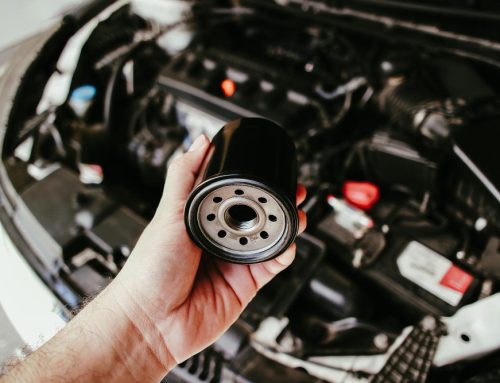
A professional wrecking process should begin with assessment, not random dismantling with enthusiasm and a toolbox. The vehicle should be checked to identify reusable exterior, mechanical, electrical, and interior parts. Items such as doors, bonnets, guards, bumpers, lights, wheels, tyres, engines, radiators, batteries, brakes, alternators, starter motors, seats, dashboards, trims, switches, and mirrors may still have value if they are in good condition.
Reusable parts should then be removed carefully, cleaned, inspected, and sorted. Materials that cannot be reused should be handled responsibly. Metals, plastics, and glass can often be recycled, while oils, coolant, batteries, and other fluids need safe disposal. A good Toyota wrecker helps extend the life of usable parts instead of sending everything straight to landfill, humanity’s favourite monument to poor planning.
How used Toyota parts can save money
Used Toyota parts can be a practical option when new parts are expensive, delayed, or difficult to justify for an older vehicle. The important thing is condition and compatibility. A cheaper part is not better if it fails quickly, does not fit, or creates extra labour for the mechanic.
This is why it helps to work with reliable Toyota wreckers in Melbourne who can help confirm the right match before the part is supplied. Clear part identification can save time, reduce return issues, and make the repair process less painful for drivers, repairers, and workshops.
For common Toyota models, used parts can be especially useful. Hilux, HiAce, Corolla, Camry, RAV4, Prado, Kluger, and LandCruiser parts are often in demand because these vehicles stay on the road for years. A well-matched second-hand part can help keep the vehicle running without turning every repair into a financial ambush.
What to ask before choosing a Toyota wrecker
Before selling your Toyota or buying used parts, ask a few practical questions. Do they specialise in Toyota vehicles? Can they help confirm compatibility? Are parts inspected before sale? Do they handle different Toyota models and conditions? Can they explain what information they need from you? Do they offer clear contact details and a straightforward process?
A reliable wrecker should make the process clearer, not more confusing. If the answers feel vague or rushed, that is not a great sign. You are not buying a mystery box. You are trying to fix or sell a vehicle.
Make the process easier before you call
If you are selling a Toyota, take a few photos and write down the model, year, mileage, condition, and whether the car starts. Mention any accident damage, missing parts, or major mechanical problems. If you are buying a part, take photos of the old part, check for part numbers, and have the VIN ready.
These small details help the wrecker give better advice. They also reduce the chance of wasted calls, wrong parts, and the classic automotive ritual of standing beside a car muttering words that should not be printed on a business website.
Get help with Toyota wrecking or used parts
A good Toyota wrecker can help you get value from an unwanted vehicle, find the right used part, and reduce waste through proper dismantling and recycling. Whether you need a part checked, a vehicle assessed, or guidance on the next step, it is worth speaking with a team that understands Toyota models properly.
For quotes, parts availability, or help with an unwanted Toyota, contact the BIP Auto Spares team for practical advice.





Leave A Comment