
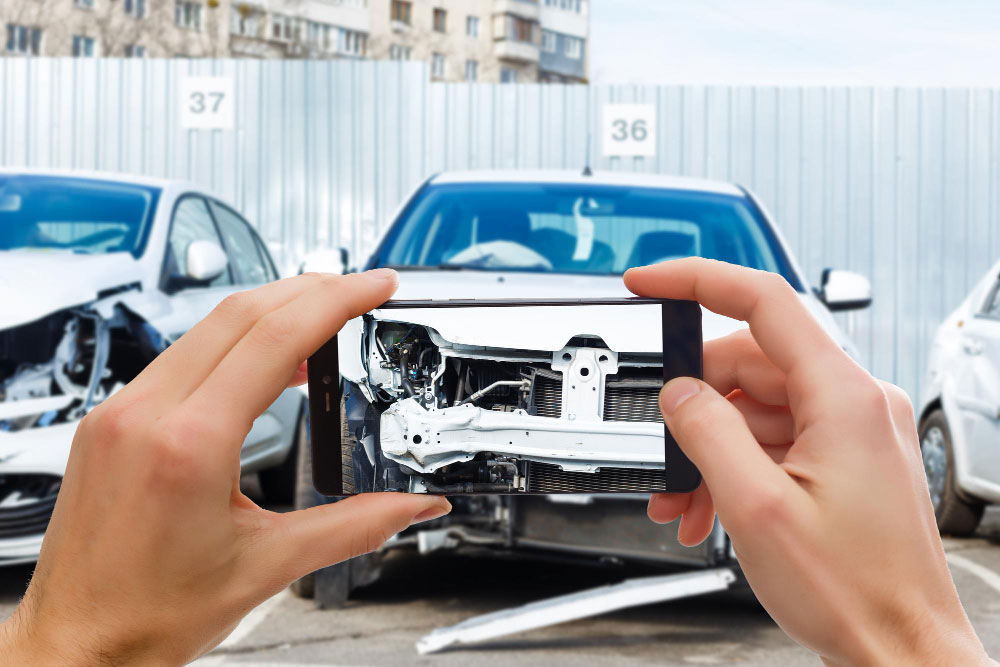
What Really Separates a Quick Fix From a Proper Repair
After a crash, most people focus on one thing: “How fast can this be fixed?”
Fair. But speed is only half the story. The real difference in smash repairs comes down to how the repair is done, not just how quickly the car is handed back.
Because two cars can look identical after repairs… and perform very differently six months later.
The Part You See vs The Part That Actually Matters
Let’s be honest. Most people judge repairs by appearance.
If the paint looks good and the panel lines up, job done, right?
Not exactly.
What you don’t see includes:
- Structural alignment
- Internal panel support
- Sensor calibration
- Impact absorption zones
This is why people who’ve had bad experiences start being more selective with smash repairs in Melbourne. They’ve learned that “looks fine” doesn’t always mean “is fine.”
Why Some Repairs Don’t Last
Ever seen a repaired car where the paint fades differently, or a panel doesn’t sit quite right over time?
That usually comes down to shortcuts.
Rushed Preparation
Paint applied without proper prep doesn’t bond properly.
Incomplete Repairs
Fixing visible damage while ignoring structural issues.
Low-Quality Materials
Cheaper fillers and paints that don’t hold up.
Good repairs take longer because they follow the full process, not just the visible parts.
The Tools and Techniques That Make a Difference
Modern vehicles aren’t simple metal shells anymore. They’re built with complex materials and safety systems.
Proper smash repairs involve:
- Computerised measuring systems for alignment
- Controlled paint environments for consistency
- Manufacturer-recommended repair methods
- Accurate panel fitting and finishing
Insurance Repairs vs Private Repairs
Not all repair jobs are approached the same way.
Insurance Repairs
Often follow strict guidelines and approval processes. Can take longer but are structured.
Private Repairs
More flexible, faster decisions, but depend heavily on the repairer’s standards.
In both cases, the quality still comes down to who’s doing the work, not just who’s paying for it.
How to Tell If a Repair Was Done Properly
You don’t need to be a mechanic to spot warning signs.
Look for:
- Consistent paint colour across panels
- Even gaps between panels
- No unusual noises after repair
- Smooth driving and proper alignment
If something feels off, it probably is. Cars don’t develop “personality quirks” after repairs. They develop problems.
Making the Right Choice Without Overcomplicating It
Choosing a repairer doesn’t need to be a research project.
Focus on:
- Experience with accident repairs
- Clear explanation of what’s being done
- Willingness to answer questions properly
- Attention to detail
If a workshop rushes explanations, they probably rush repairs too.
Getting Your Car Back Without Regret
A proper repair should leave you with a car that feels the same as it did before the damage, not something that just looks okay in photos.
If your vehicle needs attention and you want clarity on what should actually be done, you can contact us and get straightforward advice without the usual runaround.










Leave A Comment