
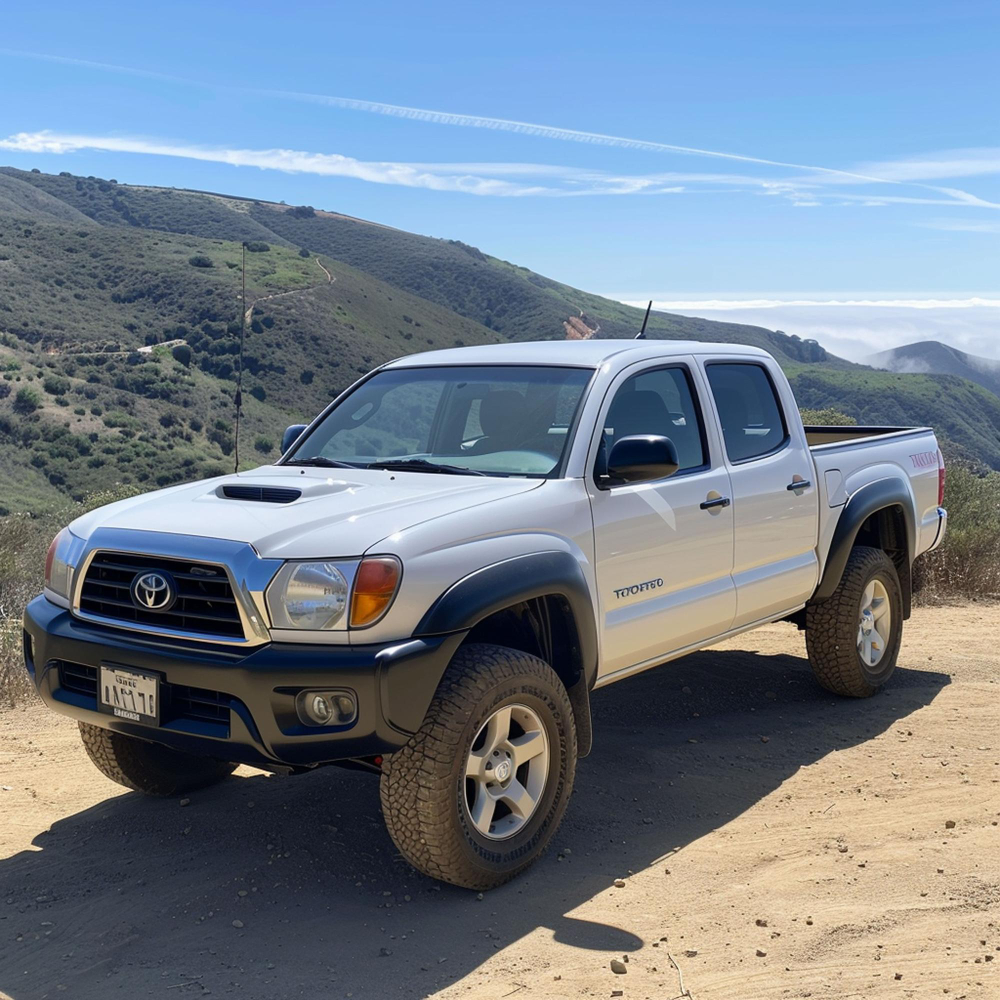
Toyota Differential Melbourne: Symptoms, Fixes & Smart Ways to Save
If your Toyota has started to whine on acceleration, thud on take-off, or leak oil near the rear axle, there’s a good chance the differential needs attention. For drivers who commute daily or head off-road on weekends, maintaining a healthy drivetrain is essential for safety, tyre longevity, and fuel efficiency. Understanding how the differential works—and when to act—can save you from costly repairs later.
What Your Toyota Differential Actually Does
The differential allows the left and right wheels to rotate at different speeds when cornering. Without it, turning would cause tyre scrub, drivetrain strain, and premature wear.
Toyota vehicles use different types of differentials depending on model and purpose:
-
Open differentials in many passenger vehicles for smooth everyday driving
-
Limited-slip differentials (LSD) in performance or 4WD models to improve traction
-
Locking differentials in serious off-road applications for maximum grip on loose terrain
Each system is engineered for a specific balance of control and durability.
Early Warning Signs of Differential Trouble
Catching problems early makes a huge difference. Common symptoms include:
-
Whining or whirring that increases with speed
-
Clunks when shifting from drive to reverse
-
Shuddering during acceleration or cornering
-
Oil leaks near the housing or axle seals
-
Uneven tyre wear or a burning oil smell
Ignoring these signs often turns a minor bearing or seal job into a full rebuild.
Repair vs Rebuild vs Replacement
When dealing with a Toyota Differential in Melbourne, the right solution depends on the condition of the internal gears and bearings.
Repair – Replacing worn seals, bearings, or adjusting backlash works best when damage is minimal and detected early.
Rebuild – A full strip-down and component replacement suits high-kilometre vehicles that have experienced heavy towing or off-road use.
Replacement – Installing a quality used or reconditioned unit is often the fastest and most cost-effective option when gears are severely worn or damaged.
Because Toyota parts are widely available, sourcing a tested second-hand or professionally reconditioned differential can be a practical alternative to buying brand new.
How Professionals Diagnose Differential Problems
A proper assessment involves more than listening for noise. Experienced technicians typically:
-
Conduct road testing under load and deceleration
-
Inspect pinion bearings and check driveshaft joints
-
Measure backlash and gear contact patterns
-
Inspect fluid for metal contamination or water ingress
-
Check breathers and seals to prevent pressure-related leaks
Accurate diagnosis prevents unnecessary part replacement and ensures the root cause is addressed.
Maintenance Tips to Extend Differential Life
Preventative maintenance plays a major role in avoiding expensive repairs:
-
Replace differential oil according to service intervals
-
Keep breathers clear, especially in off-road vehicles
-
Maintain correct tyre sizes and pressures
-
Address vibrations early before they stress internal gears
Simple servicing habits dramatically extend the lifespan of a Toyota differential.
Specialist Support for Toyota Differential Melbourne
When it comes to Toyota Differential Melbourne solutions, working with a supplier who understands Toyota drivetrains makes the process easier. Access to genuine, used, and reconditioned components allows you to choose the most practical repair path without overspending.
BIP Auto Spares specialises in Toyota components and can assist with quality-checked differentials suited to a wide range of models. Whether you need a repair solution or a full replacement, our team can help minimise downtime and get your vehicle back on the road efficiently.










Leave A Comment